
I went to Fréjus expecting a beach and a car park. I came back sunburnt in October, slightly annoyed at myself for having driven past the exit a dozen times over the years, and convinced that this is the most underrated stop on this stretch of coast.
Fréjus works as a weekend because it is two towns stacked on top of each other. There is a Roman colony founded in 49 BC with an amphitheatre, an aqueduct and a cathedral cloister, and there is a wide sandy beach ten minutes away that still gives you a tan in October. Give the old town your Saturday morning, the sea your afternoon, and keep Sunday for the three buildings nobody warns you about.
The 48-hour version
- Base yourself in the old town, not at the beach. Everything historic is walkable from there.
- Book lunch before 13:00. Kitchens here close firmly around 14:00 and reopen for dinner.
- Two tickets cover almost everything: the €6 Fréjus Pass for the municipal Roman sites, and €7 for the cathedral cloister.
- Monday is the wrong day. Most of the sites in this article shut.
Saturday morning: a Roman town hiding in plain sight
Fréjus was founded as Forum Iulii from 49 BC on the initiative of Julius Caesar, at the mouth of the Argens, and it became one of the most important military harbours in the Mediterranean under the early Empire. The veterans of the Eighth Legion arrived in 27 BC under Augustus, and with them came the theatre, the amphitheatre, the baths and a 40 kilometre aqueduct that brought water down from Mons and Montauroux.
What survives is scattered through the modern town rather than fenced into one site, which is why people miss it. The amphitheatre is the anchor. The city dates it to the early second century and it was built for the usual programme of human and animal fights. It costs €3 on its own, but the Fréjus Pass at €6 covers five municipal sites: the amphitheatre, the Roman theatre, the archaeological museum, the local history museum and the Notre-Dame-de-Jérusalem chapel. Under-12s go free. In practice the pass pays for itself before lunch.
One warning worth more than any of this: everything municipal here closes on Mondays, and the winter hours are shorter than the summer ones. From 1 October to 31 March the amphitheatre opens Tuesday to Saturday, 9:30 to 12:30 and 14:00 to 17:00. From 1 April to 30 September it runs Tuesday to Sunday, 10:00 to 13:00 and 14:30 to 18:00, closed on 1 May.
Lunch, and the timing rule visitors keep breaking
I ate in a small place on the coast road with a very welcoming owner and waiters I ended up joking with about how long the dessert took. It was worth the wait. The reason I mention it is not the restaurant, it is the clock: I got there at ten to one, and by the time I finished, the kitchen had shut and the tables around me were being reset for the evening.
Sitting down at 14:15 in a French coastal town in low season means you eat a sandwich. Sitting down at 12:45 means you eat properly, unhurried, for the price of a starter in Cannes. That single habit changes a weekend here more than any monument does.
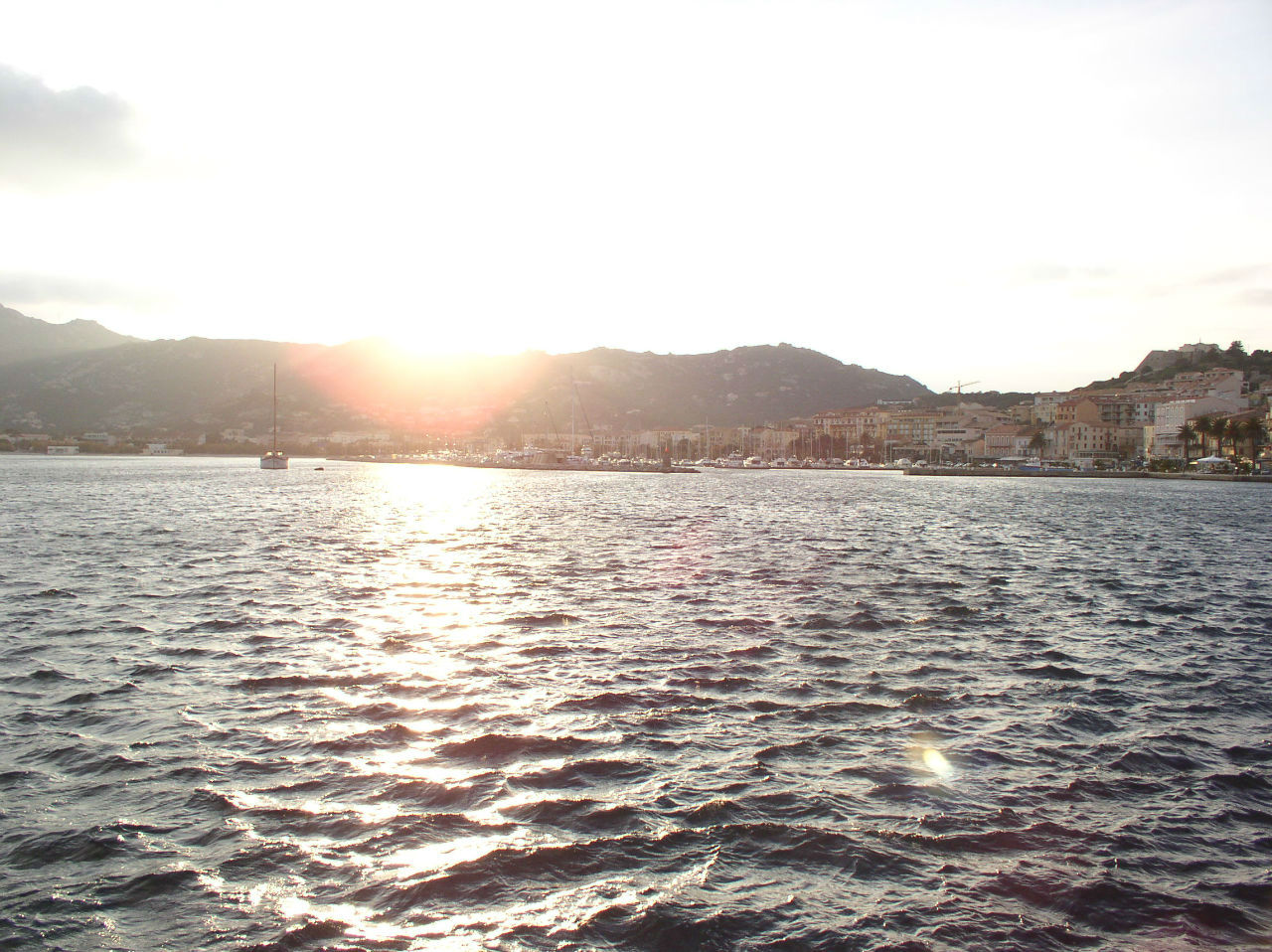
The Frejus coast at sunset
Saturday afternoon: yes, you can get a tan in October
I sunbathed. In October. On the beach, in a swimming costume, with the suntan lotion and the umbrella I had packed half as a joke. That is the thing about this coast that never quite lands until you have done it: the swimming season for locals ends long before the tanning season does.
If the beach is full or the wind is wrong, the alternative is the Base Nature François Léotard, a former naval air station turned into 135 hectares of open space by the sea, of which around 85 hectares are protected natural areas. Flat, car-free, straight onto the sand. It is where you go when you want the sea without the parasol economy.
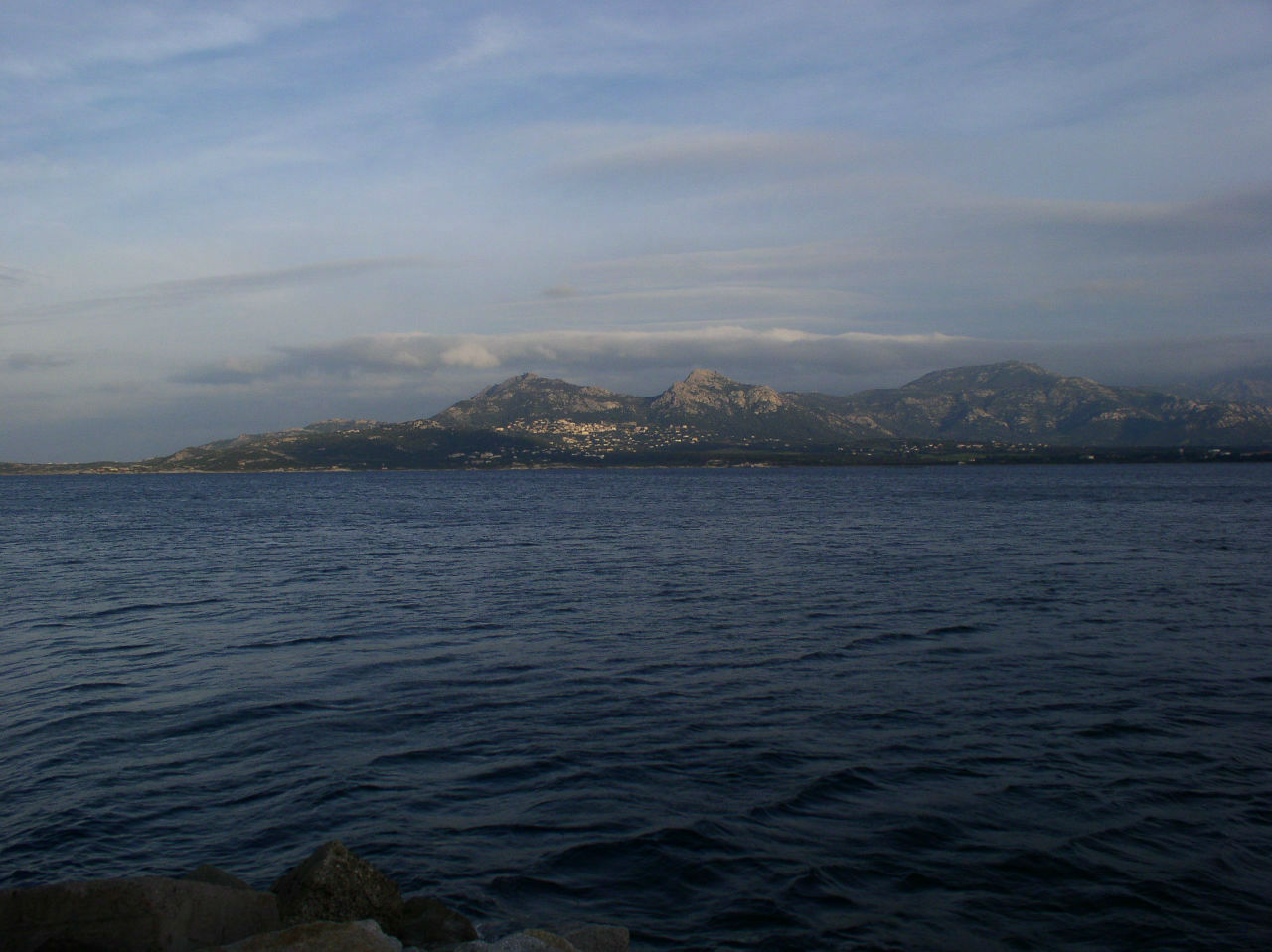
A pleasant walk with great views !
Sunday: the cloister, then two buildings with no business being here
The cloister of Fréjus cathedral is the one paid visit I would not skip. It is run by the Centre des monuments nationaux, costs €7 full price, and the reason to go is the painted wooden ceiling, covered in a bestiary of small fantastical creatures that people crane their necks at for far longer than they planned. It opens 10:00 to 18:00 from late April to the end of August, and 10:00 to 13:00 plus 14:00 to 17:00 the rest of the year. Closed Mondays. Free for under-18s and for 18 to 25 year olds resident in the EU, and free for everyone on the first Sunday of January, February, March, November and December.
Then there are the two that make people stop the car. The Missiri mosque, built in 1930 in cement rendered ochre to imitate the mud architecture of the Great Mosque of Djenné in Mali, put up for the Senegalese tirailleurs stationed here. It belongs to the Ministry of Defence today and is looked after by the marine troops museum. And the Hông Hiên Tu pagoda, built in 1917 by Indochinese soldiers camped at Fréjus before deployment, inaugurated in April 1919, the oldest Buddhist pagoda in France, with a ten metre reclining Buddha in concrete. I ran out of weekend before I reached the pagoda, so I am reporting what is documented rather than what I saw, and it is the first thing on my list for the next trip.
| What | Cost | Worth knowing |
|---|---|---|
| Amphitheatre and four other municipal sites | €3 single, €6 Fréjus Pass | Closed Mondays, shorter hours in winter |
| Cathedral cloister | €7 | The painted ceiling is the reason to come, allow an hour |
| Base Nature François Léotard | Free | 135 hectares, flat, direct access to the sea |
| Missiri mosque and Hông Hiên Tu pagoda | Check locally | Military heritage sites, access conditions vary |
What I would change about that weekend
I would sleep in the old town instead of near the sand. The beach strip empties out of season and the historic centre does not, so you end up driving between your bed and everything worth doing. I would also have given Saturday morning to the museum before the amphitheatre, because the objects make sense of the stones rather than the other way round. And I would have stayed the extra night: Fréjus sits at the foot of the Estérel with Saint-Raphaël next door, which is a third day without moving the car far.
If you are building a longer trip along this coast, the same logic that makes Fréjus good in October is what makes the Riviera out of season good generally, and if you want the glossier end of the same stretch of Var coastline, renting a villa around St-Tropez is the other way to do it.
Is a weekend enough for Fréjus?
For the Roman sites, the cloister and one afternoon at the sea, yes. If you want the Estérel trails or a day in Saint-Raphaël as well, you need three days.
Do I need a car?
Not inside the old town, which is walkable end to end. You will want one to reach the Base Nature comfortably or to explore the Estérel, and parking in the historic centre is easier out of season than you would expect.
When is the best time to go?
Late September and October, on the evidence of my own trip. The sea is still warm, the sites are open on the summer timetable until 30 September, and you are not queueing for anything.
Last updated: August 2026. Prices and opening hours are those published by the City of Fréjus and the Centre des monuments nationaux at the time of writing. Both change seasonally, so check the current timetable before you set off.
Been to Fréjus?
Tell us where you ate and whether you found the pagoda open. This blog gets better every time someone fills in a gap I left.