
Most visitors to France book a hotel because it is the option they recognise. Then they meet someone who spent the same week in a stone house with a garden, for less money, and spend the drive home wondering what they missed. What they missed has a name, a rating system and a 70 year old charter behind it.
“Gîtes de France” is not a type of building, it is a quality label applied to several very different formats. A gîte rural is a self-catering house you rent by the week. A chambre d’hôtes is a room in someone’s home with breakfast and a maximum of five rooms by law. City Break covers the same standards in a town. Picking the right one matters far more than picking the right region, and the label is what tells you what you are actually getting.
What the label actually guarantees
- Comfort is graded from 1 to 5 épis, the ears of wheat that work like hotel stars, and the grading is inspected rather than self-declared.
- A chambre d’hôtes is legally capped at 5 rooms and 15 people, with breakfast included and the owner living on site.
- The network reported 56,000 properties and 43,000 owners in 2025, so availability is not the problem. Choosing is.
- Average stay: eight nights in a gîte, two nights in a chambre d’hôtes. They are built for different trips.
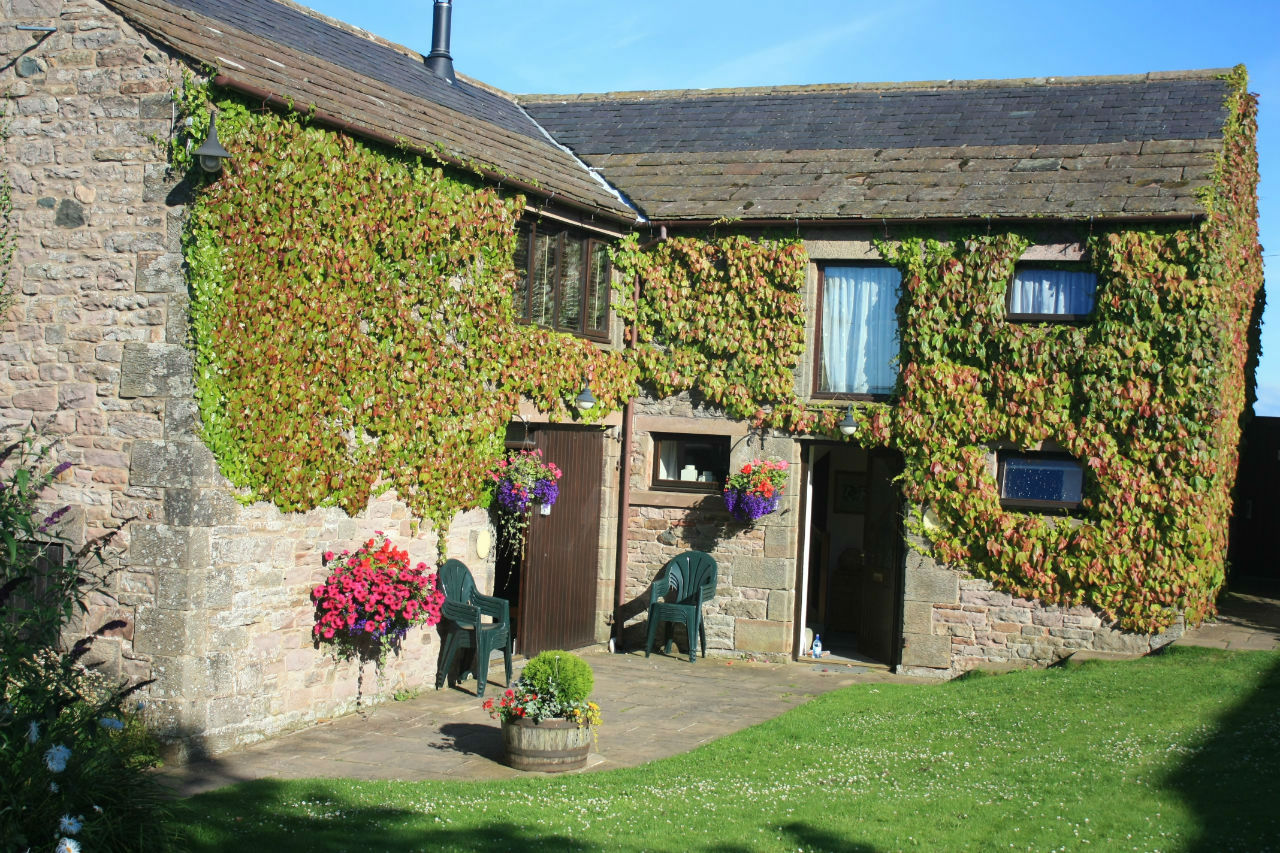
Holiday cottage on the French Riviera, near the “Var”
- 1 Why the French book differently from everyone else
- 2 Choose the format before you choose the region
- 3 The four formats, side by side
- 4 The gîte rural, and what épis really tell you
- 5 Chambres d’hôtes: the format with a legal ceiling
- 6 City Break, and camping on a farm
- 7 Straight answers to what people ask me
Why the French book differently from everyone else
In France the reflex is not automatically the hotel. Rural rentals and bed and breakfasts are a mainstream choice here, and the numbers back that up: the Gîtes de France network reported 28.17 million nights in 2025, up 4 per cent on the previous year, for a business volume of 863 million euros. It added 6,800 new properties that year against 5,000 the year before. French guests account for around 84 per cent of stays, which tells you this is a domestic habit that foreign visitors are only starting to borrow.
That last figure is the interesting one for anyone reading this from abroad. You are booking into a system built for people who know the country, not into a tourist product. The upside is honest pricing and real houses. The downside is that the listings assume you know what a « gîte rural » is, and nobody stops to explain.
Choose the format before you choose the region
Every year I watch people do this the wrong way round: they pick Provence or Brittany first, then take whatever is free. Run it in this order instead.
- How many of you, and who. Children and a pet change the shortlist faster than anything else, and both are filters worth setting first.
- Self-catering or hosted. A gîte means you cook. A chambre d’hôtes means someone else makes breakfast and tells you where to eat.
- Length of stay. Gîtes are mostly weekly, Saturday to Saturday. If you have three nights, look at chambres d’hôtes or City Break instead of fighting the calendar.
- Comfort level. Decide your épi threshold now, because it is the only fast way to filter thousands of listings.
- Sea, mountain or countryside, and only then the specific town.
The four formats, side by side
| Format | What you get | Typical stay | Best for |
|---|---|---|---|
| Gîte rural | A furnished house or apartment to yourself, fully equipped | A week, often Saturday to Saturday | Families, groups, anyone who wants a kitchen |
| Chambre d’hôtes | A private room and bathroom in the owner’s home, breakfast included | One to three nights | Touring, and for meeting people who live there |
| City Break | The same standards in a town, near transport and shops | A long weekend | City trips without a hotel corridor |
| Camping on a farm | A pitch on equipped land next to a working farm | Flexible | Campers and caravanners who dislike resort sites |
The gîte rural, and what épis really tell you
A gîte rural is a furnished property rented to you alone, usually by the week, sometimes for a weekend. Most are standalone holiday homes, some are semi-detached, and the architecture follows local building conventions rather than a chain template. They sit either in open countryside or inside small villages, which is exactly the point: you are renting a location as much as a house. Providers such as cotedazur holidayrentals work the same southern market from the private rental side.
The comfort grading runs from 1 to 5 épis, ears of wheat rather than stars, and it is a checklist rather than an impression. One épi guarantees the basics and an outdoor space. Two adds things like a washing machine above six people and a barbecue where local rules allow. Three brings an independent entrance and private garden, dishwasher and cleaning on request. Four requires a house of character with quality interiors and a fireplace or wood stove. Five adds a landscaped garden and leisure equipment such as a pool, tennis court or sauna.
Read that grid as a specification, not as a luxury ranking. A two épi farmhouse with the right view beats a four épi property on a main road, and the grading will never tell you that. It tells you what is in the kitchen.
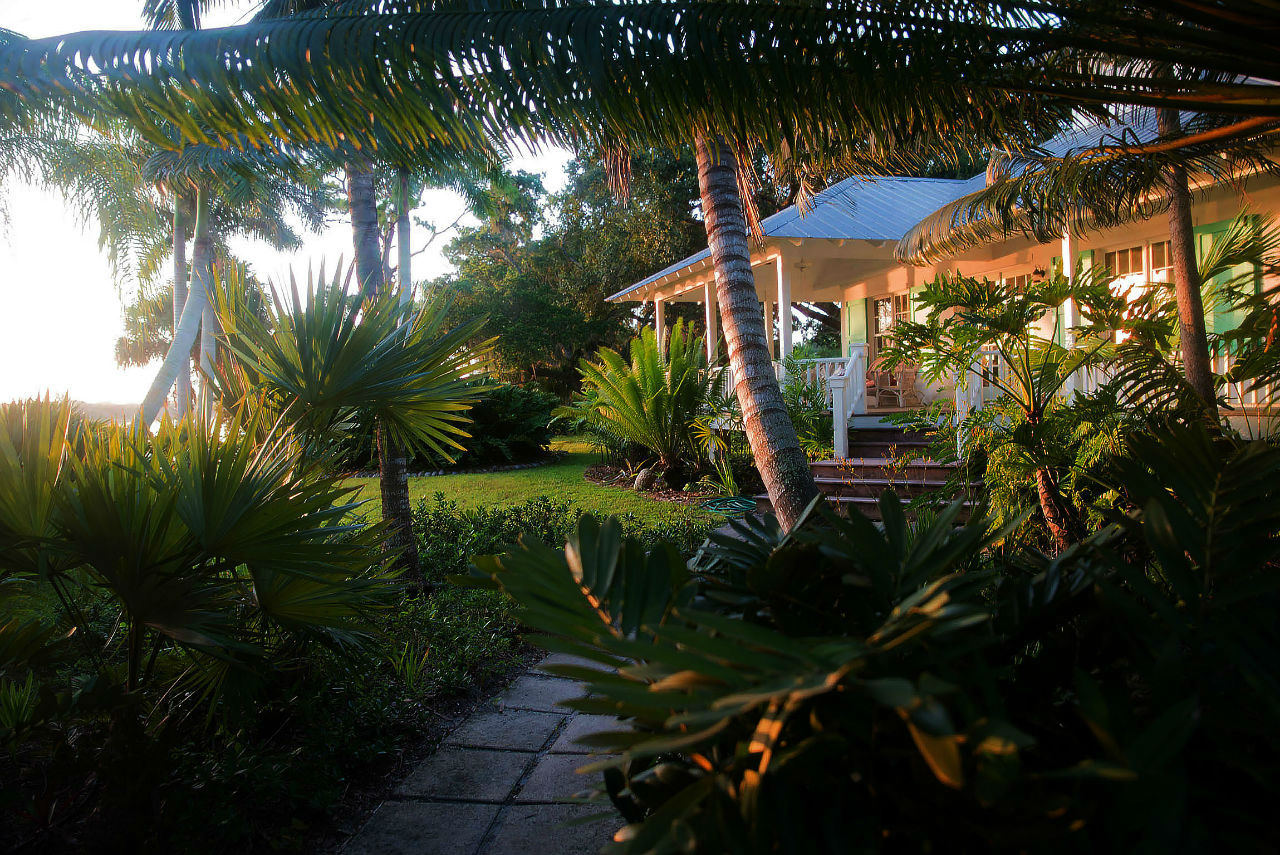
Holiday cottage in the south of France
Chambres d’hôtes: the format with a legal ceiling
The French bed and breakfast is defined in law, not just by a label. Under article D324-13 of the Code du tourisme, a chambre d’hôtes is limited to five rooms and fifteen people, must include the night and breakfast together, and the welcome has to be provided by the person living in the house. That cap is why the experience does not scale into something hotel-shaped: there is a hard limit on how many of you there can be.
In practice it means a private room, a separate bathroom, breakfast, and an owner who will tell you which market day is worth getting up for. Properties are inspected regularly to hold their grading. If you are touring rather than settling, this is the format that teaches you the most about a region per night spent, and it is why the average stay sits at two nights while gîtes average eight.
City Break, and camping on a farm
City Break applies the same standards inside towns of more than 20,000 inhabitants, or smaller ones with real tourist interest. The accommodation sits close to public transport, shops and the cultural centre, and rates are usually all-inclusive, covering heating, electricity, cleaning and linen. If your plan is a few days in a city, a City Break rental or an apartment rented in Nice gives you a kitchen and a neighbourhood instead of a corridor and a lobby. It pairs well with a base like a city stay in Nice where you want to eat locally rather than in the hotel.
Camping on a farm is the least known of the four. You pitch on equipped land beside a working farm, with a personal welcome rather than a barrier and a wristband. It suits caravanners who want the countryside without the animation programme, and it is the cheapest way into the same rural France that the gîtes sell at a higher price point. For a first taste of an inland village rather than the coast, somewhere like the hill village of Mougins shows what that setting looks like.
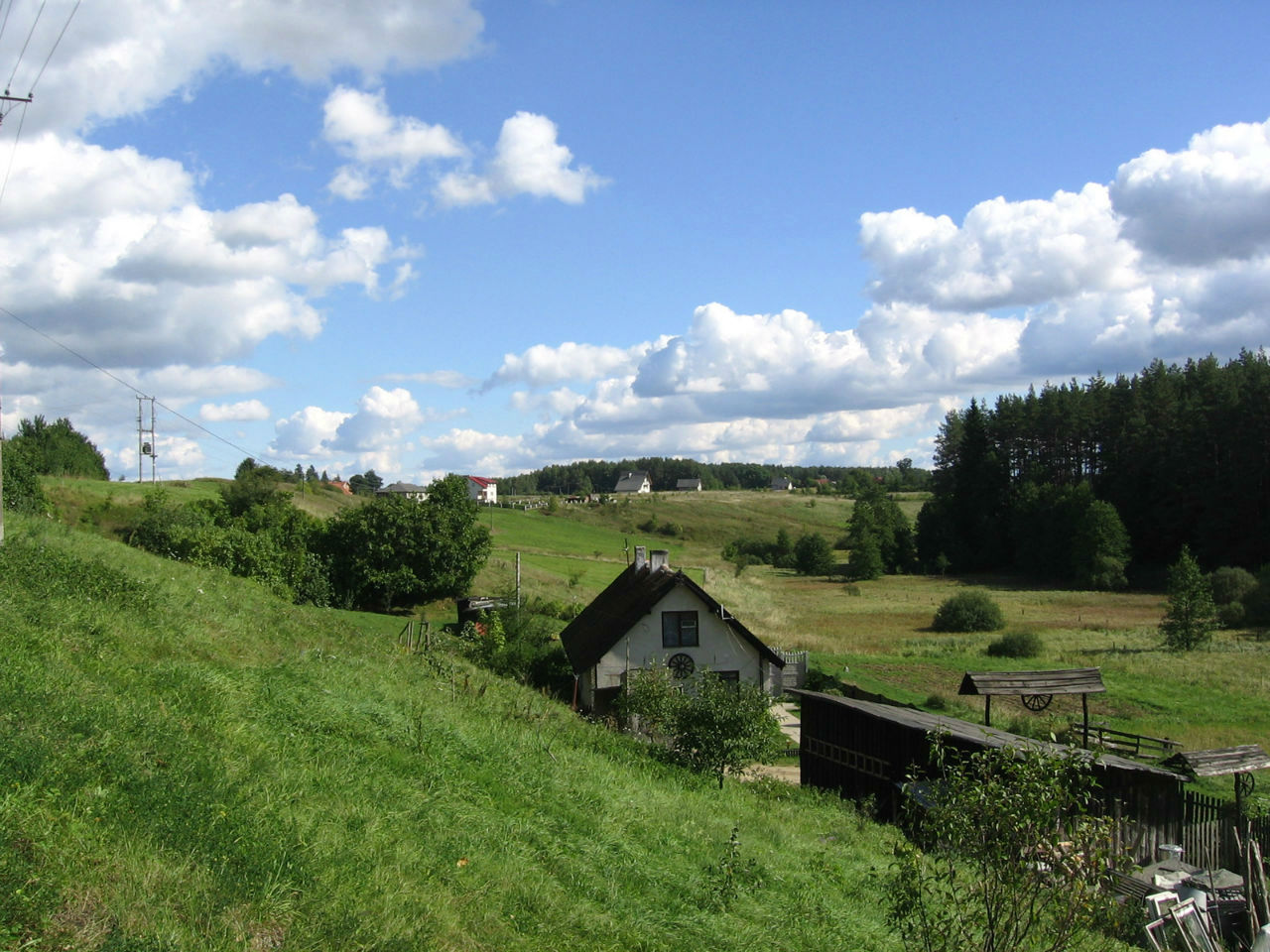
The Cottage in the countryside: calm & nature
Straight answers to what people ask me
Is a gîte cheaper than a hotel?
Per night, usually yes for a family, because you are paying for a house rather than per person, and you are cooking some of your meals. For one or two people staying two nights, a hotel often wins on both price and hassle.
Do I have to speak French?
For a gîte you barely interact with anyone after handover, so no. For a chambre d’hôtes, some French helps a lot, because the value of the format is the conversation at breakfast. Many hosts speak English, but do not assume it.
Can I book for a weekend rather than a week?
Often, yes, especially outside July and August. Weekly Saturday to Saturday bookings dominate the school holidays, while the low season is where short stays and seniors have grown the market.
Are pets accepted?
It depends entirely on the owner, and it is a filter you should apply before you fall in love with a listing rather than after.
Rethinking your holiday here means one decision, not twenty: stop asking where you want to go, and start by asking what you want your accommodation to do for you. The label does the rest of the work.
Last updated: August 2026. Network figures are the 2025 results published by Gîtes de France. The five room and fifteen person limit comes from article D324-13 of the French Code du tourisme. Grading criteria and booking conditions vary by department, so confirm details with the property before booking.
Stayed in one?
Tell us the format, the region and whether the épi rating matched what you found. A few honest reports here are worth more than a hundred listing photos.