
Ask ten people what they picture when they hear Canada and nine of them say snow. Fair enough. What that answer misses is the sheer scale of the place: six time zones, and a gap between a July week in British Columbia and a February week in Quebec that is not a change of temperature, it is a change of holiday.
So this guide is built around the decision that actually shapes the trip, which is when you go rather than where. Below: what each season really gives you, the parks and museums worth building days around, and one 2026 rule that can wipe out a big chunk of your entry costs.
- 1 Pick the season before you pick the map
- 2 🌞 Summer, July and August, when the whole country is open
- 3 ❄ Winter, December to February, for people who want the cold
- 4 🌸 Spring, March to June, the cheapest good weeks
- 5 🍂 Autumn, September to November, colour without the crowds
- 6 The museums worth giving a whole day to
- 7 Four national parks, and what each one is actually for
- 8 The four places I would not cut from an itinerary
- 9 ✨ Before you book anything
- 10 So which trip are you actually taking ?
- 11 Insights and Stories from Canada
- 12 International Moving Companies UK: How to Seamlessly Relocate Abroad ?
- 13 Crafting the Perfect Destination Wedding: Insider Tips for Planners
- 14 Rev Up Your Weekend: Exploring Local Tourist Rallies in a Classic Ride
Pick the season before you pick the map
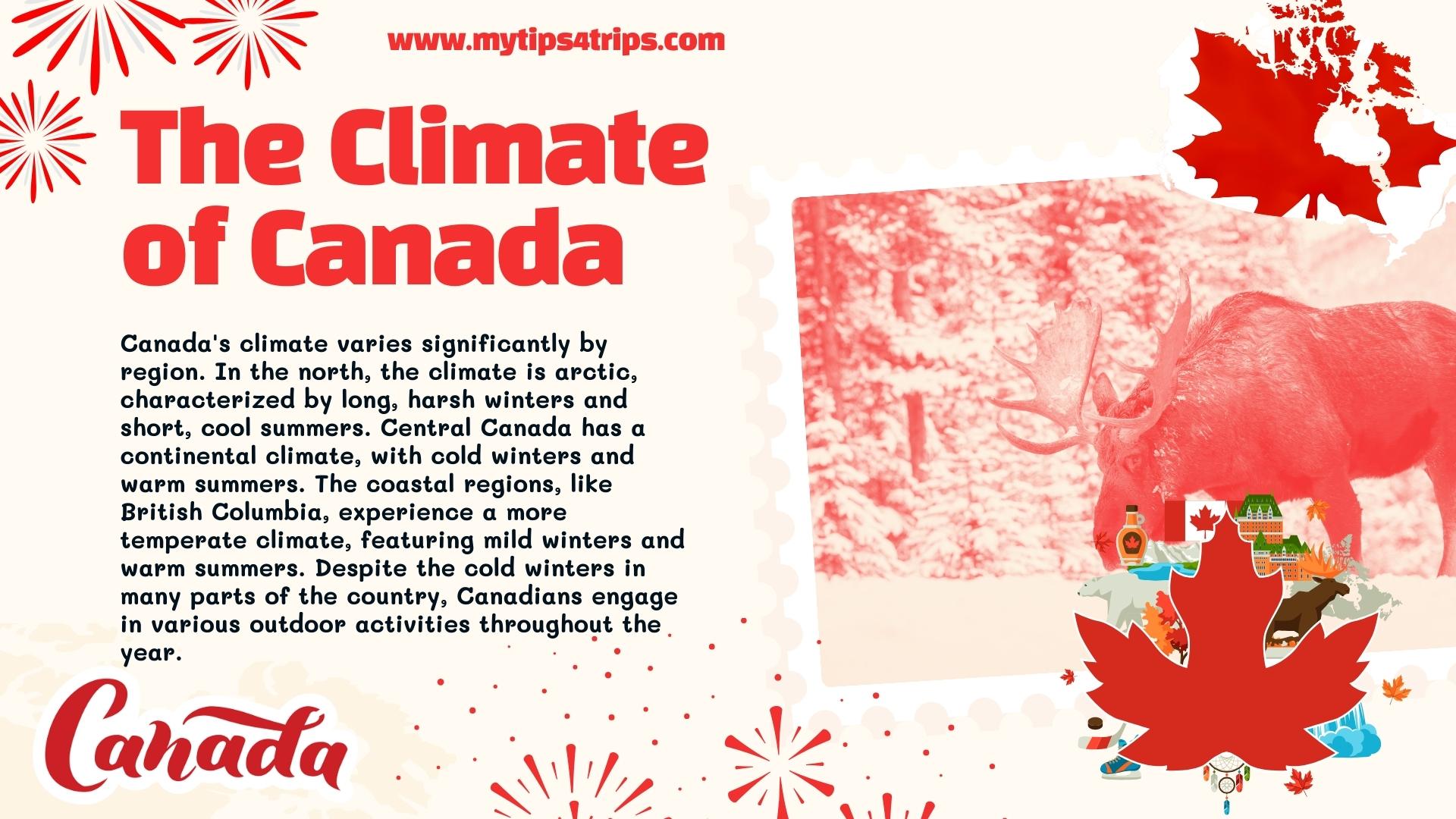
There is no single best time to visit Canada, only a best time for the trip you actually want. The climate runs from a mild Pacific coast to a continental interior with serious winters, so the same dates produce entirely different holidays depending on the province. Choose the experience first and let it choose your month.
One date to write down before anything else. The Canada Strong Pass runs from 19 June to 7 September 2026, and during that window Parks Canada waives daily admission at every national park, national historic site and national marine conservation area it manages, with 25 percent off camping and roofed accommodation. Parks Canada states that it applies to international visitors as well as Canadians, with nothing to buy and no registration. Outside those dates you are back to standard entry fees or a Discovery Pass, so the calendar has a direct effect on your budget.
🌞 Summer, July and August, when the whole country is open
What to expect: warm days across the southern belt, cool nights at altitude in the Rockies, and long evening light.
Summer is the season the whole country is built around. Trails are clear, mountain roads are open, ferries run to timetable and the national parks are at full service. It also swallows most of the Canada Strong Pass window, which makes a park-heavy route noticeably cheaper than at any other time of year.
✔ Hiking in the Rocky Mountains ✔ Bears, moose and whales, all in season at once ✔ The drive along the Icefields Parkway ✔ Festival season in the cities
The trade-off is honest and unavoidable: this is peak price and peak crowd. Rooms in Banff and Jasper go months ahead, and the shuttle-only viewpoints fill early in the morning. Book accommodation before you book flights.
🔹 Best destinations in summer: Banff & Jasper (Alberta), Vancouver, Prince Edward Island, Niagara Falls
❄ Winter, December to February, for people who want the cold
What to expect: real cold, deep reliable snow, short daylight, and the clearest night skies of the year up north.
Winter is the season that puts people off and then converts them. It is the only time of year when the Northern Lights get the long dark nights they need, and the only time the ski resorts and the frozen-lake culture are running at once.
✔ Ski & snowboard at Whistler, Banff, or Mont-Tremblant ✔ Aurora hunting in Yukon, the Northwest Territories or Manitoba ✔ Dog sledding and snowmobiling ✔ The Québec Winter Carnival
What nobody puts in the brochure: daylight is short, road conditions change within an hour, and a warm coat is not the same thing as proper layers. Rent the serious kit locally rather than buying it at home for one trip.
🔹 Best destinations in winter: Whistler, Banff, Québec City, Churchill (for polar bears!)
🌸 Spring, March to June, the cheapest good weeks
What to expect: meltwater, rivers running high, waterfalls at their loudest, and prices well under the summer peak.
Spring is the season I would choose if budget mattered more than certainty. The snow goes, the wildlife comes back and the cities are yours again. It is also the only window for one thing you cannot fake at any other time of year, which is maple syrup season in the Quebec sugar shacks.
✔ Cherry blossom in Vancouver & Toronto around April ✔ Whale-watching starts up on the coast ✔ Lowland hiking and biking trails reopen ✔ Sugar shack season in Quebec
The catch is that spring is not one season but three, depending on altitude. High trails in the Rockies can still be under snow into June, and some park services only start later in the month. Check the specific park before you commit to a route.
🔹 Best destinations in spring: Vancouver, Toronto, Montreal, Ottawa (for the Tulip Festival)
🍂 Autumn, September to November, colour without the crowds
What to expect: the foliage everyone photographs, thinner crowds, and softer prices once the Canada Strong Pass window closes on 7 September.
Autumn is the connoisseur’s answer, and the season built for driving. Fall colour moves south and west across Quebec, Ontario and Nova Scotia over several weeks, so the timing rewards anyone who can travel at short notice.
✔ Fall foliage across eastern Canada ✔ Harvest and wine tasting in the Okanagan Valley or the Niagara region ✔ Wildlife on the move, moose and caribou included ✔ Road trips on the Cabot Trail or through Algonquin Park
My own rule: the first half of September buys you summer warmth with the crowds already gone, and October buys pure colour with a coat on. It is the same arithmetic that makes travelling outside high season pay off almost anywhere in the world.
🔹 Best destinations in autumn: Algonquin Park, Quebec’s Laurentians, Cape Breton (Nova Scotia)
The museums worth giving a whole day to
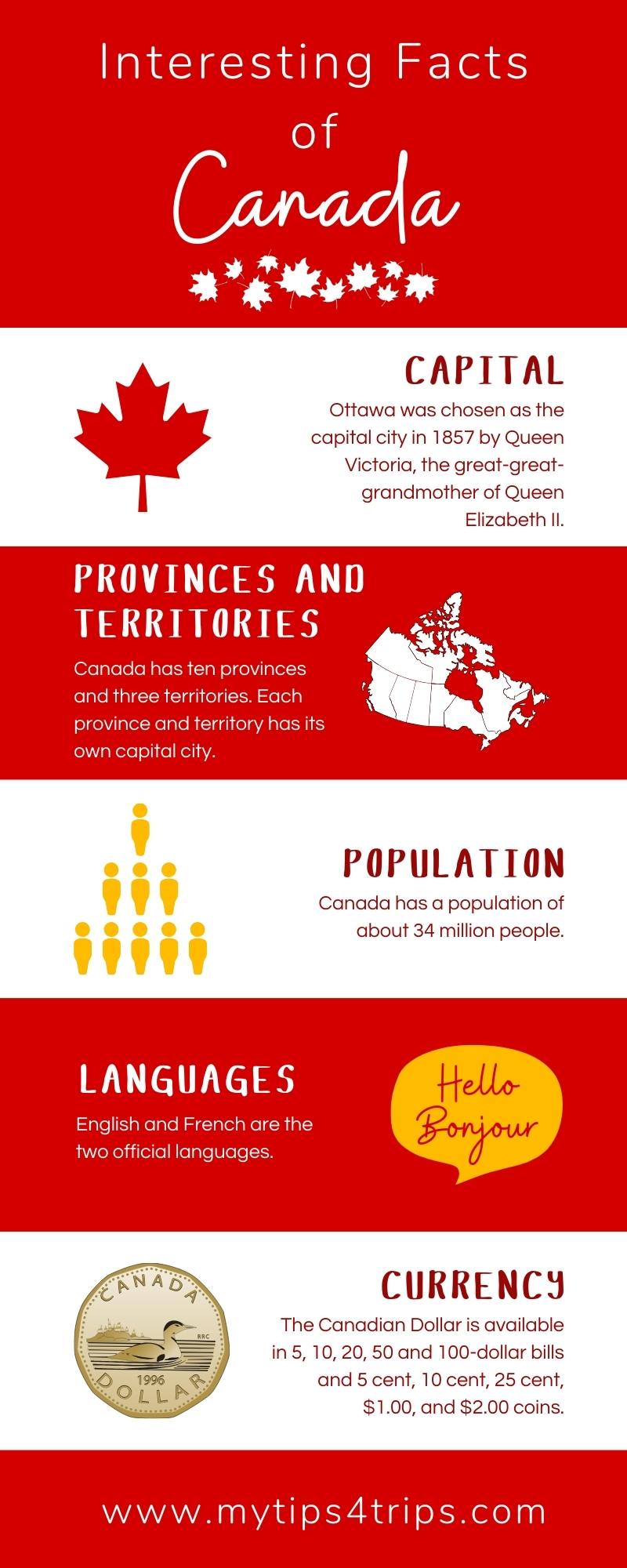
Canadian museums are where a trip stops being scenery and starts making sense, particularly on the Indigenous history that most visitors arrive knowing nothing about. Five that repay a full morning rather than a quick walk through:
National Gallery of Canada (Ottawa)
Canadian and Indigenous art alongside international collections, in a glass and granite building that is a landmark in its own right. The Canadian rooms are the reason to come, not the international ones.
Biosphere (Montreal)
An environmental museum inside a geodesic dome, with interactive exhibits on climate, sustainability and the natural world. The most child-friendly stop on this list by a distance.
Royal Ontario Museum (Toronto)
One of the largest museums in the country, crossing natural history, world cultures and contemporary art in a building that welds a modern crystal onto a heritage facade. Go early or go late; midday queues are real.
Canadian Museum of History (Gatineau, Quebec)
Across the river from Ottawa, and the single best introduction to how this country was assembled. The First Peoples Hall is the heart of it, and the Children’s Museum keeps younger visitors going while the adults take their time.
Museum of Anthropology (Vancouver, British Columbia)
Totem poles and carvings from First Nations communities, presented with unusual care. If you only manage one museum on the west coast, make it this one.
Royal BC Museum (Victoria, British Columbia)
Wildlife, Indigenous culture and early European exploration under one roof, and a natural pairing with a Vancouver Island trip rather than a separate expedition. Galleries here have been reworked in recent years, so check what is currently open before you build a day around a specific exhibit.
A practical note that applies to all of them: national museums and galleries are part of the Canada Strong Pass scheme in summer 2026, with free entry for visitors aged 17 and under and reduced entry for 18 to 24 year olds. Family trips in that window cost noticeably less than the ticket prices suggest.
Four national parks, and what each one is actually for
Parks are where a Canadian itinerary either works or falls apart, because each one asks for a different kind of day. These four cover most of what people come for:
- Banff National Park (Alberta)
- The Canadian Rockies at their most photogenic, and the most organised park in the country
- Lake Louise & Moraine Lake, both now shuttle-dependent in high season, so plan the transport before the hike
- Temperate rainforest, whale watching and surf on the same coastline, with weather that changes hourly
- Lakes, waterfalls and canoe country between Montreal and Quebec City, and the easiest of the four to reach without a long drive
- Best seen from the water rather than the shore, which makes it the one to book a boat for
Remember the admission rule above: between 19 June and 7 September 2026, daily entry to all of these is waived under the Canada Strong Pass. Outside that window, a Discovery Pass pays for itself if you plan to enter parks on roughly a week’s worth of days or more.

The four places I would not cut from an itinerary
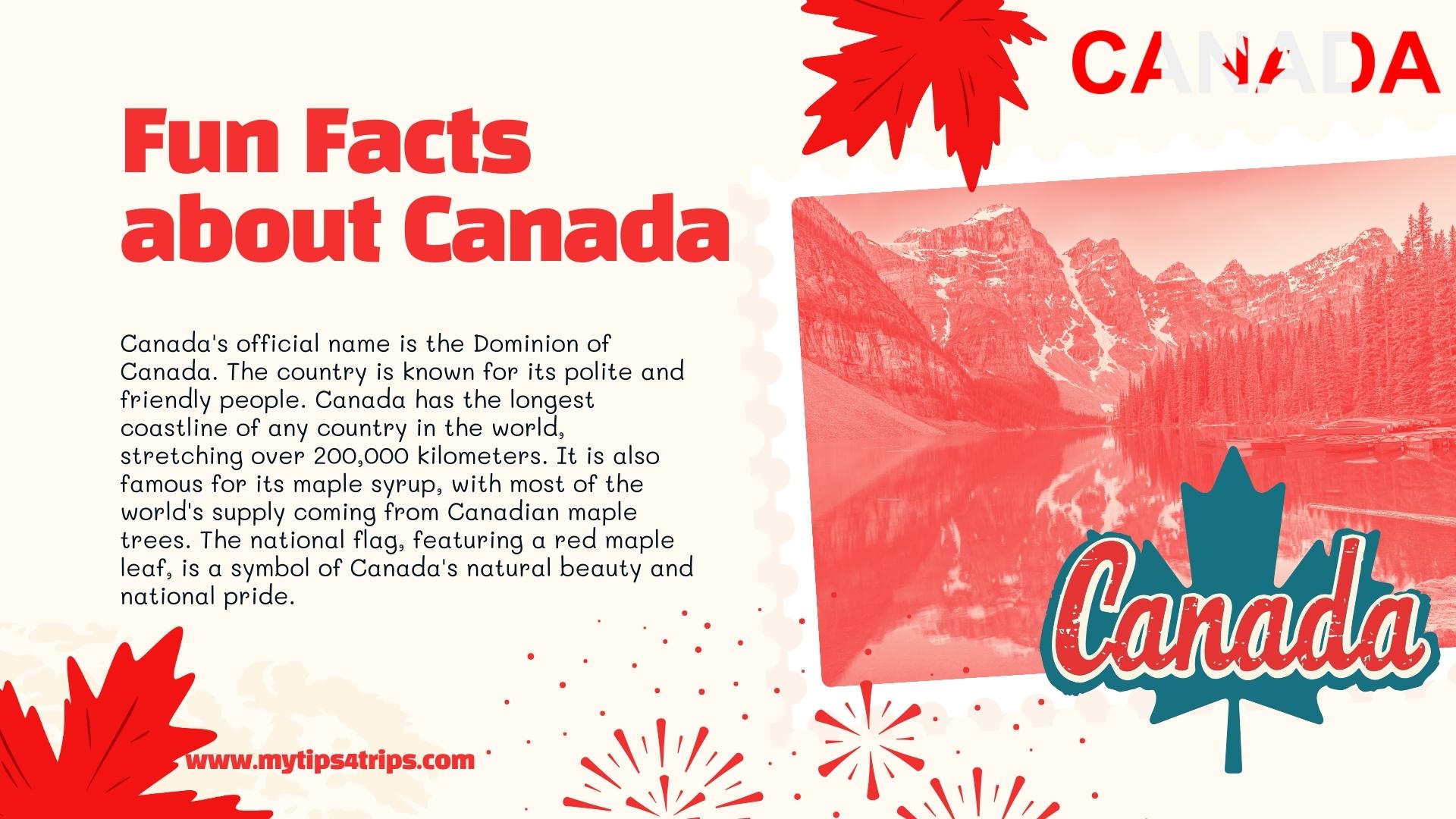
- Niagara Falls (Ontario), louder and wetter than the photographs suggest 🌊💦
- Whistler (British Columbia), a ski resort that also works in summer 🏂❄
- Old Quebec (Quebec City), the walled town that changes the country’s register 🏰🇫🇷
- Vancouver Island (British Columbia), a week in itself 🌿🌊
Three of those four are day stops. Vancouver Island is the exception, and the mistake I see most often is treating it as one. It sits off the west coast, it is bigger than most visitors expect, and getting around it eats hours, so give it its own block of days rather than squeezing it onto the end of a Vancouver stay.
What a week on the island can look like, in the order I would do it:
✔ Victoria first, for the harbour, the architecture and the Royal BC Museum ✔ Butchart Gardens nearby, which holds up in every season rather than just spring ✔ Cathedral Grove on the way across, a short walk among old-growth trees that puts the scale of the place in perspective ✔ Tofino for surf in summer and storm watching in winter, two completely different holidays at the same address ✔ Pacific Rim National Park for rainforest trails and rugged coast ✔ Long Beach for the long empty walk everybody remembers afterwards ✔ Kayaking in the Broken Group Islands, guided unless you know what you are doing ✔ A wildlife tour for black bears, bald eagles and orcas, best booked with flexible dates ✔ Nanaimo for the harbour and the maritime history, and yes, for the bars named after it ✔ The Pacific Marine Circle Route if you have a spare day and a car you trust
✨ Before you book anything
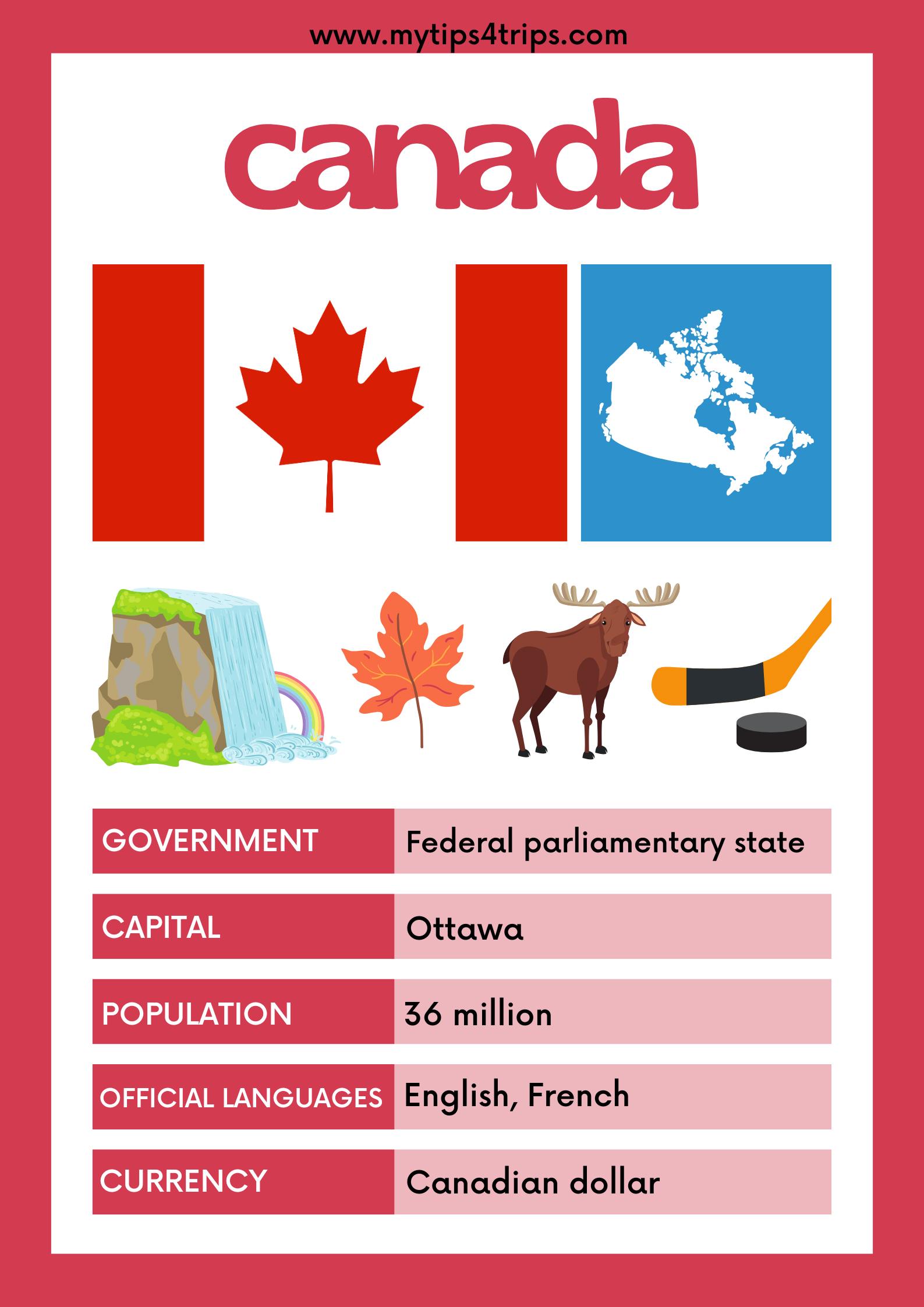
Two administrative points that catch people out. Most visa-exempt travellers flying into Canada need an eTA, which the Government of Canada charges at 7 Canadian dollars on its official site and which is generally valid up to five years or until the passport expires. Any site quoting far more than that is not the official one.
The second is distance. This country spans six time zones, and an itinerary that puts Niagara Falls, Whistler and Old Quebec in the same fortnight will be mostly airports. Pick one region per trip and go deep, or accept internal flights as a line in the budget from the start.
So which trip are you actually taking ?
If it is scenery and outdoor days, go in summer and put the parks first, with the free-admission window doing the heavy lifting on cost. If it is history and culture, autumn in the east gives you the museums, the foliage and none of the queues. If it is snow, commit to it properly and go north in winter, where the Northern Lights are the reward for the dark. And if what you want is the classic first visit, Niagara Falls from a boat and British Columbia from a trailhead is still the pairing that sells this country to people.
Last updated: August 2026. Canada Strong Pass dates and benefits are as published by Parks Canada and Canadian Heritage for 2026, and the eTA fee as published by the Government of Canada. Entry rules and fees change, so confirm both on the official government sites before you travel.
👉 So, when are you planning your trip to Canada? Which region are you starting with? Tell us in the comments. 🇨🇦✈️🌎
Insights and Stories from Canada

International Moving Companies UK: How to Seamlessly Relocate Abroad ?
Ready to embark on a global adventure? Relocating abroad symbolizes new beginnings, offering fresh opportunities and experiences. Yet, the thought of moving your entire life overseas can be daunting without the right guidance. Whether you're heading to the serene...

Crafting the Perfect Destination Wedding: Insider Tips for Planners
Embarking on the journey of planning a destination wedding is both exhilarating and complex. As couples seek to blend the magic of a foreign location with the timeless beauty of matrimony, they require a robust plan, a discerning eye for detail, and most importantly,...

Rev Up Your Weekend: Exploring Local Tourist Rallies in a Classic Ride
If you're looking for a way to escape the mundane routine of daily life, events centered around motorcycles and cars offer an exhilarating way to spend your weekend. With the rise of classic vehicle culture, many local tourist rallies have emerged, allowing...